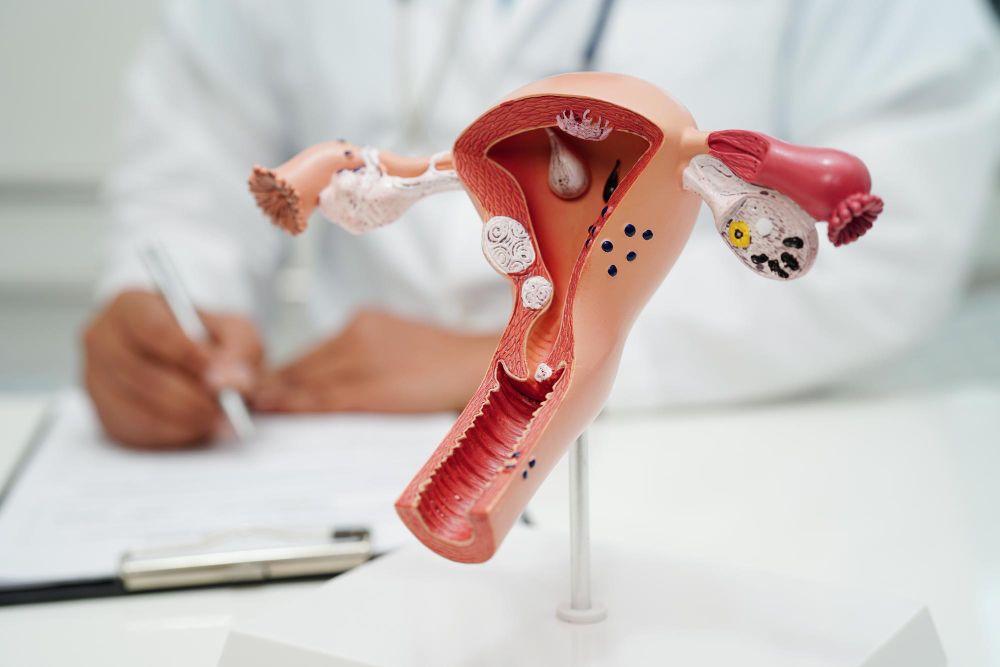
What is Cervical Erosion?
Cervical erosion is a common condition that affects the cervix, which is the lower part of the uterus. In this condition, the cells from inside the cervical canal spread to the outer surface of the cervix. As a result, the cervix may look red and inflamed. Although the name sounds serious, cervical erosion is usually not dangerous. However, it can cause symptoms that need attention. Many women may not know they have cervical erosion until a doctor finds it during a routine check-up.
Symptoms of Cervical Erosion
Often, cervical erosion does not cause any symptoms. But sometimes, women may notice changes. For example, you may experience:
However, these symptoms can also be caused by other conditions. Therefore, it is important to talk to a doctor if you notice any changes.
Causes of Cervical Erosion
There are several reasons why cervical erosion may develop. Some common causes include:
In addition, some women are born with this condition. It is not linked to cancer, but regular check-ups are still important.
How Cervical Erosion is Diagnosed
Doctors usually find cervical erosion during a pelvic exam. During the exam, the cervix may look red or raw. To confirm the diagnosis, your doctor may:
These tests help rule out other problems and ensure proper care. According to the World Health Organization, regular cervical screening is important for women’s health.
Treatment Options for Cervical Erosion
Most cases of cervical erosion do not need treatment if there are no symptoms. However, if you have discomfort or bleeding, your doctor may suggest:
After treatment, most women recover quickly. But, it is important to follow your doctor’s advice and attend follow-up visits.
Prevention and Lifestyle Tips
While you cannot always prevent cervical erosion, you can lower your risk. Here are some helpful tips:
Additionally, maintaining good hygiene and a healthy lifestyle can support cervical health.
When to See a Doctor
If you notice any unusual vaginal bleeding, pain, or discharge, it is best to see a doctor. Early diagnosis can help rule out serious problems. Moreover, regular screenings are important, even if you feel fine. Remember, many women with cervical erosion have no symptoms. Therefore, routine check-ups are key for peace of mind.
Consult a gynecologist for personalized advice and early diagnosis.