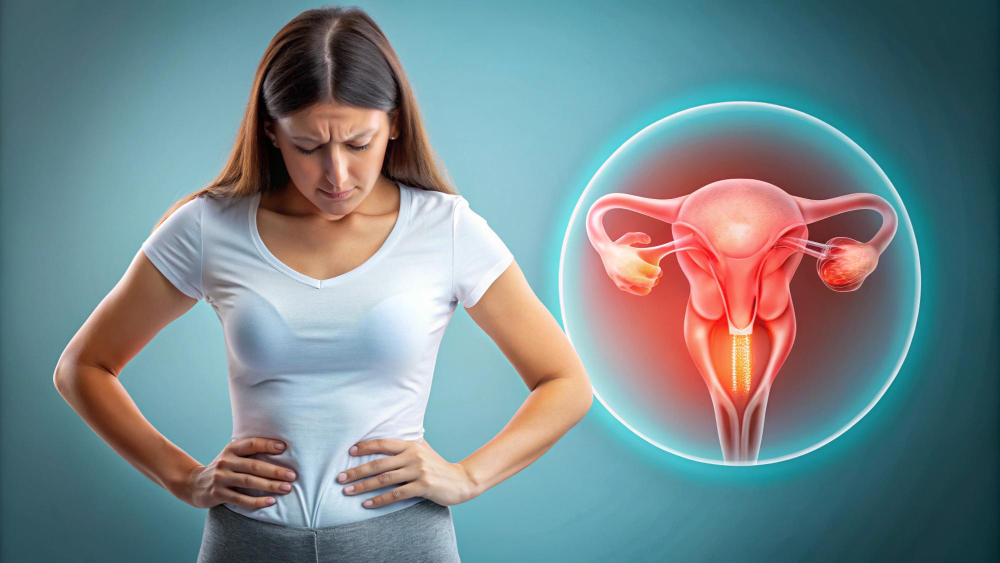
What Is Thin Endometrium?
The endometrium is the inner lining of the uterus. It thickens each month to prepare for pregnancy. However, sometimes this lining stays thin. This is called a thin endometrium. For many women, thin endometrium and infertility are closely linked. A healthy uterine lining is important for an embryo to attach and grow. If the lining is too thin, it can be harder to get pregnant.
How Thin Endometrium Affects Fertility
Thin uterine lining and pregnancy are connected. A thin endometrium may not support a fertilized egg. As a result, the chances of successful pregnancy can drop. According to the World Health Organization, endometrial thickness and fertility are important for a healthy pregnancy. Usually, doctors look for a lining at least 7-8 mm thick during ovulation. If it is thinner, the risk of infertility increases.
Common Symptoms and Signs
Often, thin endometrium does not cause clear symptoms. Still, some women may notice signs such as:
However, these symptoms can also be caused by other issues. Therefore, it is important to see a doctor for proper diagnosis.
Causes of Thin Endometrium
There are several reasons why the uterine lining may be thin. Some common causes include:
In some cases, the cause is not clear. But knowing the reason can help guide treatment for thin endometrium.
Diagnosis: How Is Thin Endometrium Detected?
Doctors use several methods to check endometrial thickness and fertility. Most often, they use a pelvic ultrasound. This test measures the thickness of the uterine lining. Sometimes, doctors may also recommend:
Early diagnosis can help improve treatment outcomes.
Treatment Options for Thin Endometrium
There are many treatment options for thin endometrium. The right choice depends on the cause. Common treatments include:
In some cases, doctors may suggest lifestyle changes as well. Always follow your doctor’s advice for the best results.
Lifestyle Tips and Prevention
Although not all cases can be prevented, some steps may help support a healthy uterine lining. For example:
Additionally, regular check-ups can help detect problems early.
When to See a Specialist
If you have trouble getting pregnant or notice changes in your periods, it is wise to see a specialist. Early evaluation can help find the cause and start treatment for thin endometrium and infertility. Moreover, a fertility expert can suggest the best options for your needs.
In summary, thin endometrium and infertility are closely linked. However, many treatments are available. Consult a specialist for personalized guidance.