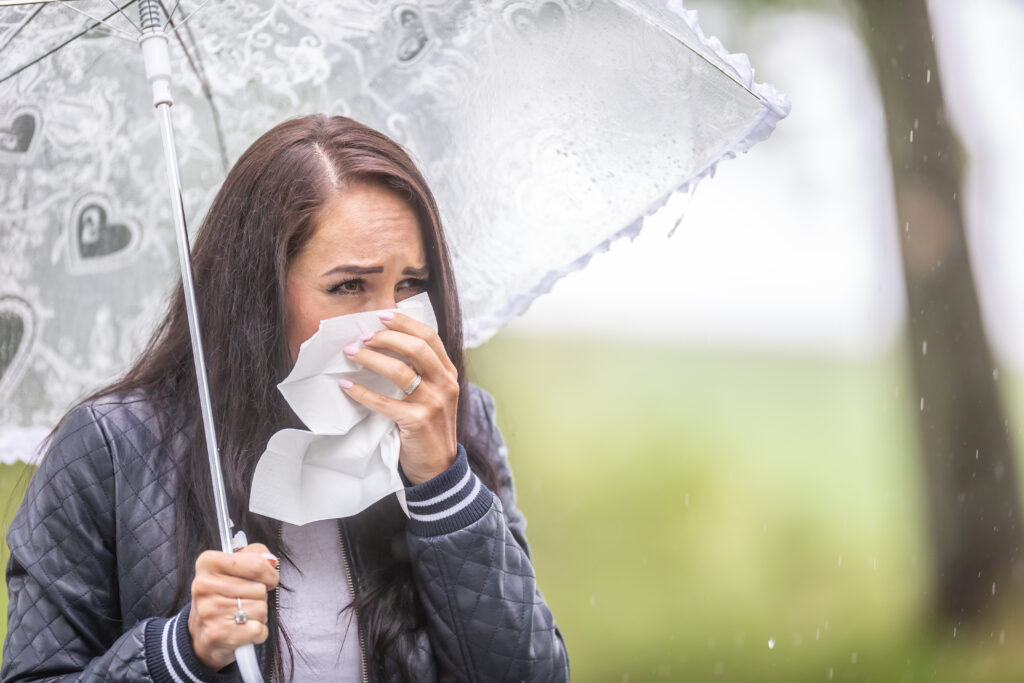
Asthma is a long-term lung condition that makes breathing difficult. Many people notice their asthma gets worse in the rainy season. This is not just a coincidence. In fact, the rainy season brings changes in the air that can trigger asthma flare-ups. Understanding why this happens can help you stay ahead of asthma attacks and breathe easier all year.
Why Does Asthma Get Worse in the Rainy Season?
During the rainy season, the air becomes more humid. This extra moisture can make it harder for people with asthma to breathe. But, humidity is not the only problem. Several other factors can trigger asthma symptoms when it rains.
Because of these triggers, many people find their asthma gets worse in the rainy season. Each trigger can make your airways more sensitive, leading to more frequent or severe flare-ups.
Common Symptoms and Warning Signs
It is important to know the signs that your asthma is getting worse. During the rainy season, you may notice certain symptoms more often. Early action can help prevent a serious attack.
If you notice these symptoms, it may mean your asthma is not well controlled. Therefore, you should take steps to manage your condition right away.
Prevention and Management Tips
Staying ahead of asthma flare-ups during the rainy season is possible. With a few simple steps, you can reduce your risk. Here are some tips for preventing asthma attacks during monsoon and managing asthma flare-ups:
Additionally, talk to your doctor about adjusting your treatment if you notice more symptoms during the rainy season. Early changes can help prevent serious problems.
When to Consult a Doctor
Sometimes, asthma symptoms can become dangerous. It is important to know when to seek medical help. You should consult a doctor if you notice any of these red-flag symptoms:
Do not wait if you have these signs. Quick action can save your life. Professional care is always the safest choice for managing asthma flare-ups.
Conclusion
In summary, asthma gets worse in the rainy season due to humidity, mold, pollen, and poor air quality. However, you can stay ahead of flare-ups by following simple prevention tips and managing your medicines. Always watch for warning signs and seek help when needed. Consult a specialist for personalized guidance.